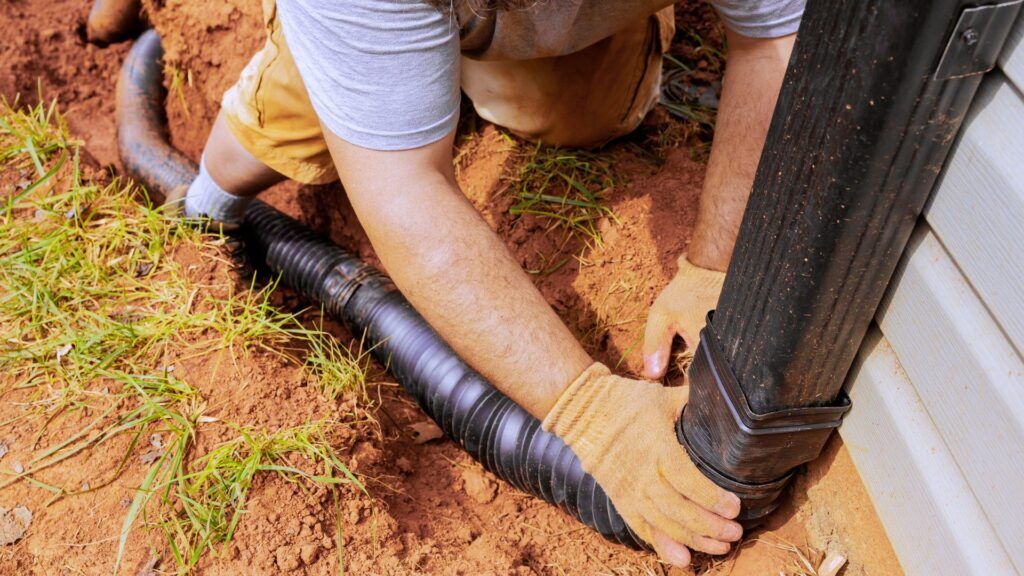
Drainage charges are a crucial yet often overlooked component of urban utility billing systems that help maintain and develop essential wastewater and stormwater management infrastructure 通渠價格. As cities expand and populations increase, the demand for efficient drainage systems becomes more pressing. These charges are typically collected by local authorities or utility providers to fund the construction, maintenance, and improvement of drainage networks that ensure safe and hygienic living environments. Without proper drainage systems, urban areas would face severe flooding, sanitation issues, and environmental degradation.
Drainage charges are generally applied to residential, commercial, and industrial properties based on various factors such as property size, water usage, and location. The primary objective of these charges is to distribute the cost of maintaining drainage infrastructure fairly among users who benefit from it. In many regions, property owners are required to pay these charges as part of their utility bills or local tax assessments. This ensures a steady flow of revenue that governments can use to manage stormwater runoff, sewage treatment, and underground drainage systems.
One of the most important reasons drainage charges exist is to support flood prevention systems. Urban environments often have large areas of concrete and asphalt, which prevent natural water absorption into the soil. As a result, rainwater quickly accumulates and can lead to flooding if not properly managed. Drainage systems collect and redirect this water safely into rivers, reservoirs, or treatment plants. The funding provided by drainage charges allows municipalities to build larger pipelines, improve water flow systems, and install advanced pumping stations to reduce flood risks.
In addition to flood control, drainage charges also contribute to environmental protection. Wastewater from households and industries contains pollutants that can harm ecosystems if released untreated into natural water bodies. Proper drainage infrastructure ensures that wastewater is directed to treatment facilities where harmful substances are removed before the water is discharged back into the environment. By paying drainage charges, residents indirectly contribute to cleaner rivers, healthier aquatic life, and improved environmental sustainability.
Another key aspect of drainage charges is their role in maintaining public health. Poor drainage systems can lead to stagnant water, which becomes a breeding ground for mosquitoes and other disease-carrying insects. This can result in the spread of illnesses such as dengue fever, malaria, and cholera. Effective drainage systems prevent water accumulation and ensure that sewage is properly disposed of, reducing health risks for the population. The funds collected through drainage charges help authorities regularly clean and upgrade drainage channels to maintain hygienic conditions.
Drainage charges also support long-term urban planning and development. As cities grow, existing drainage systems often become outdated or insufficient to handle increased water flow. Continuous investment is required to expand capacity and integrate modern technologies such as smart monitoring systems and automated flood control mechanisms. These improvements require significant funding, which is largely provided through drainage charges. Without this financial support, cities would struggle to keep up with increasing infrastructure demands.
In some regions, drainage charges are calculated based on surface water runoff potential. Properties with larger paved surfaces such as parking lots, rooftops, and industrial yards may pay higher charges because they contribute more runoff water to the drainage system. Conversely, properties with green spaces, permeable surfaces, or water-absorbing landscapes may benefit from reduced charges. This approach encourages environmentally friendly construction and sustainable land use practices.
Despite their importance, drainage charges are sometimes misunderstood or questioned by property owners. Some people may view them as an additional financial burden without fully understanding their purpose. However, when drainage systems fail due to lack of funding, the resulting damage from floods, contamination, and infrastructure collapse can be far more costly. Public awareness about the role of drainage charges is essential to ensure cooperation and compliance from residents and businesses.
Governments and utility providers often face the challenge of balancing drainage charges so they remain affordable while still generating sufficient revenue for infrastructure needs. Transparency in how these charges are calculated and used can help build public trust. Detailed reporting on drainage projects, maintenance work, and infrastructure upgrades funded by these charges can also improve accountability.
Modern technology is playing an increasingly important role in improving drainage systems funded by these charges. Smart sensors, real-time monitoring systems, and data analytics help authorities detect blockages, predict flooding, and optimize water flow. These innovations make drainage systems more efficient and reduce long-term maintenance costs. As a result, drainage charges are not just funding traditional infrastructure but also supporting the transition toward smarter and more resilient cities.
Climate change has further increased the importance of drainage charges and effective water management systems. Rising sea levels, unpredictable rainfall patterns, and extreme weather events place additional pressure on existing infrastructure. Many cities are now investing in climate-resilient drainage systems that can handle sudden surges of water. Drainage charges provide the financial foundation for these critical adaptations, ensuring cities remain safe and functional under changing environmental conditions.
In conclusion, drainage charges play a vital role in maintaining the health, safety, and sustainability of urban environments. They fund essential infrastructure that prevents flooding, protects the environment, and supports public health. While they may seem like a routine part of utility bills, their impact is far-reaching and essential for modern city life. As urbanization continues to grow, the importance of fair and effective drainage charge systems will only increase, making them a key element of sustainable development planning.